
6 Garage Door Problems Homeowners Should Never Ignore
Your garage door is one of the most frequently used systems in your home. For many households, it opens and closes several times a day without much thought. Because it works so often, small issues can develop over time. When those early warning signs are ignored, they can quickly turn into larger problems that affect both safety and convenience.
Catching problems early can help prevent unexpected breakdowns and extend the life of your garage door system. Here are six garage door problems homeowners should never ignore.
1. Broken or Worn Garage Door Springs
Garage door springs do the heavy lifting every time the door opens and closes. Over thousands of cycles, these springs naturally wear down and eventually break. When a spring fails, the door may suddenly feel extremely heavy or refuse to open at all.
Because springs are under significant tension, they should never be replaced as a DIY project. According to the team at Gecko Garage Doors, broken springs are one of the most common service calls they receive, often after homeowners notice the door becoming harder to lift or hearing a loud snapping sound when the spring breaks.
2. Loud Grinding or Squeaking Noises
Garage doors typically make some sound during operation, but sudden grinding, scraping, or squeaking noises often indicate a developing issue. Worn rollers, loose hardware, or components that need lubrication can all cause unusual sounds.
If these noises are ignored, the problem can worsen and lead to additional damage to the tracks or opener system. Addressing the issue early can often prevent a larger repair later on.
3. Uneven Door Movement
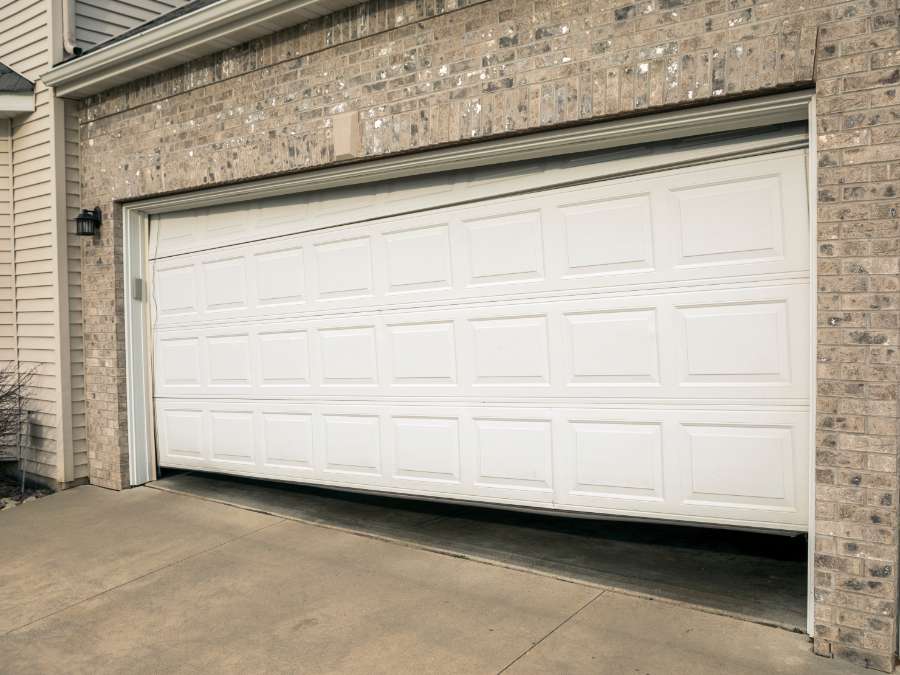
If one side of your garage door rises faster than the other or the door appears crooked while opening or closing, it could signal a problem with the cables, springs, or track alignment.
An uneven door places extra stress on the entire system. Over time, this added strain can damage other components and increase the likelihood of a sudden failure. In many cases, uneven movement is a sign that the door should be inspected before the issue becomes more serious.
4. The Door Reverses Before Closing
Modern garage doors include safety sensors designed to prevent the door from closing if something is in its path. If the door reverses unexpectedly or refuses to close all the way, the sensors may be blocked, misaligned, or malfunctioning.
Sometimes the issue is as simple as dirt on the sensor lens or a small object interrupting the beam. However, if the problem continues, a technician may need to inspect the sensors or opener system to ensure everything is functioning properly.
5. Slow or Delayed Opening
A garage door that suddenly begins opening more slowly than usual can be an early warning sign that something inside the system is wearing out. This could be related to aging springs, friction in the track, or issues with the opener.
Changes in the door’s speed or movement are one of the earliest indicators that a component may be nearing the end of its lifespan. Addressing these signs early can help prevent the door from failing completely.
6. The Door Stops Responding
When a garage door suddenly stops opening or closing, the issue could stem from several different causes. In some cases, it may be as simple as a dead remote battery or a tripped circuit breaker. In other situations, the opener motor, spring system, or internal components may have failed.
If the door stops responding, it’s best to avoid forcing it open or closed. Doing so can damage the system further and create additional repair costs.
Garage doors often provide warning signs before a major failure occurs. Unusual sounds, uneven movement, or changes in how the door operates should never be ignored. By addressing small problems early, homeowners can help keep their garage door operating safely and avoid more extensive repairs down the road.