
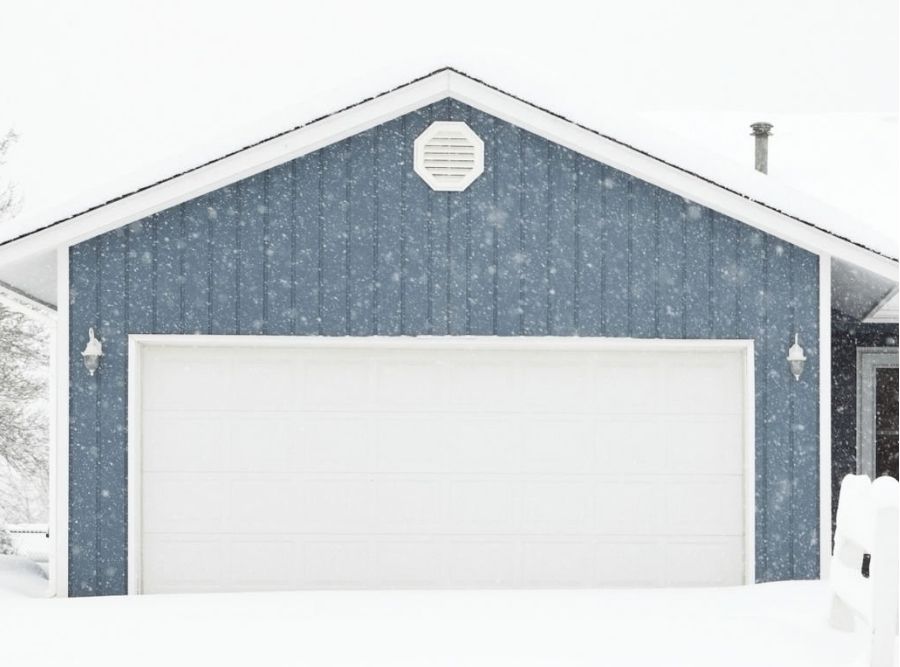
Common Garage Door Failures We See During Cold Weather (And How to Prevent Them)
Cold weather doesn’t just make garage doors uncomfortable to use, it actively changes how their mechanical systems behave. As temperatures drop, metal contracts, lubricants thicken, and components already under tension are pushed closer to their breaking point.
Many homeowners assume winter failures are sudden or unpredictable. In reality, cold weather typically exposes weaknesses that have been developing for months. Understanding how temperature affects each part of the system is the first step toward preventing costly emergency repairs.
Why Cold Weather Impacts Garage Door Systems
According to technicians at Door Doctor, winter consistently brings an increase in broken spring service calls. In many cases, the spring was already nearing failure, and the colder temperatures simply accelerated the inevitable.
Preventative maintenance before winter including inspection of spring wear and cycle fatigue can dramatically reduce the chances of a mid-season breakdown.
Garage doors operate through a coordinated system of springs, cables, rollers, tracks, and an electric opener. Nearly every component is made of steel or metal alloys that respond to temperature changes.
When temperatures fall:
- Metal contracts, increasing internal stress on tension-loaded parts.
- Lubricants lose viscosity, causing increased friction.
- Rubber components stiffen and lose flexibility.
- Opener motors must work harder to overcome resistance.
This combination explains why winter brings a noticeable spike in service calls.
Spring Failures Increase Dramatically in Winter
Garage door springs are among the most vulnerable components during cold weather. Torsion springs, in particular, are engineered to handle thousands of open-and-close cycles. Most residential springs are rated between 10,000 and 20,000 cycles. Once they approach the end of that lifespan, a sharp temperature drop can be enough to trigger a fracture.
Cold air reduces the flexibility of steel, making it more brittle. When that brittleness combines with constant high tension, the likelihood of snapping increases significantly.
Opener Strain and Sluggish Operation
Another common winter complaint is a garage door that moves more slowly or hesitates during operation. This is often caused by thickened lubricant and increased resistance within the track system.
When rollers don’t glide smoothly, the opener motor must exert additional force. Over time, that strain can lead to gear wear, motor overheating, or sensor misalignment. Cold weather also affects remote batteries and keypad functionality, which may weaken faster in low temperatures.
Using a proper silicone-based or lithium garage door lubricant rather than general-purpose sprays helps maintain smooth movement even in colder conditions. A properly balanced door should move easily with minimal opener strain.
If the system begins vibrating excessively or reversing unexpectedly, professional garage door repair may be necessary to correct alignment or tension issues before further damage occurs.
Track Contraction and Alignment Issues
Garage door tracks expand and contract subtly throughout the year. During winter, contraction can cause slight shifts that may not be visible but still impact performance.
Even small misalignments increase wear on rollers and cables. Over time, that added friction compounds, shortening component lifespan and increasing the risk of sudden failure.
Regular inspection of track brackets and hardware ensures everything remains properly secured and aligned as temperatures fluctuate.
Weather Seals and Freezing Risks
Rubber bottom seals and perimeter weather stripping also suffer in cold conditions. As rubber stiffens, it becomes less effective at sealing out moisture and debris. Cracked or hardened seals allow cold air to infiltrate the garage, impacting insulation efficiency and increasing strain on interior components.
In regions with snow or freezing rain, moisture can accumulate at the base of the door. Overnight freezing can bond the bottom seal to the concrete floor. Attempting to force the opener in this situation often leads to motor strain or panel damage.
Clearing moisture and inspecting seals before deep winter arrives is a simple but effective preventative measure.
Cold Weather Doesn’t Create Problems. It Reveals Them
One consistent theme among winter service calls is that cold weather rarely “causes” new mechanical problems. Instead, it exposes existing wear that has gone unnoticed.
Technicians frequently report that minor issues; slight tension imbalance, early-stage spring fatigue, subtle track shifting become major failures once freezing temperatures increase mechanical stress.
Routine inspection and lubrication before winter arrives remains one of the most cost-effective ways to extend the life of a garage door system.
Preparation Is the Best Prevention
Garage doors are large mechanical systems under constant tension. Seasonal temperature shifts add predictable stress. Addressing small irregularities early prevents larger failures later.
A proactive inspection can:
- Extend the lifespan of springs and rollers
- Reduce opener strain
- Maintain quiet, smooth operation
- Prevent emergency winter breakdowns
Cold weather is inevitable. Emergency repairs don’t have to be.